Safety doesn’t happen by accident—neither does awareness. Too many teams treat toolbox talks as routine checkboxes rather than strategic interventions. Yet when done right, these short, focused sessions reduce incidents, reinforce protocols, and build a culture where workers look out for each other. The key? Choosing the right toolbox talk topics—ones that reflect real risks, resonate with crews, and address evolving site conditions.
Below is a curated, actionable list of toolbox talk topics broken into high-impact categories, complete with real-world examples, common pitfalls, and implementation tips.
Why the Right Toolbox Talk Topics Matter
Most failed safety talks share the same flaw: they’re generic. Talking about “slips and falls” without referencing the muddy trench near Bay 3 or the newly installed overhead crane adds little value. Relevant topics align with current operations, recent near-misses, equipment changes, or seasonal hazards.
Example: After a near-miss involving a forklift and a pedestrian in a shared zone, a targeted talk on “Vehicle and Pedestrian Separation” is far more effective than a generic “Forklift Safety” session.
A strong topic list ensures:
- Talks address actual site conditions
- Workers stay engaged because content is practical
- Supervisors can track and document recurring themes
- Compliance with OSHA, MSHA, or regional safety standards is maintainable
Use your incident reports, audit findings, and crew feedback to shape the talk schedule—not a recycled PDF from five years ago.
1. Fall Protection and Working at Heights
Falls remain the leading cause of fatal injuries in construction and industrial environments.
Key Sub-Topics: - Proper use of harnesses, lanyards, and anchor points - Inspection routines for fall arrest equipment - Guardrails vs. personal fall arrest systems - Working near leading edges or unguarded openings - Ladder safety (extension, step, and articulated)
Common Mistakes: Workers often connect lanyards to unstable anchor points or use modified equipment. A quick inspection demo during a toolbox talk—showing a frayed webbing or a corroded snap hook—sticks longer than a verbal warning.
Pro Tip: Rotate this topic seasonally. Winter conditions (ice, wind) or post-rain scenarios increase fall risks—adjust content accordingly.
2. Hazard Communication and Chemical Safety
Where chemicals are used, confusion kills. From solvents to cleaning agents, misunderstanding labels or PPE requirements leads to burns, inhalation risks, and long-term health issues.
Key Sub-Topics: - Reading Safety Data Sheets (SDS) quickly - GHS pictograms and label interpretation - Proper storage and segregation (e.g., acids away from bases) - Spill response procedures - Required PPE for chemical handling
Real Use Case: A maintenance crew was using a degreaser without gloves because the container “didn’t look dangerous.” A 10-minute talk showing the SDS and simulating a splash incident changed behavior instantly.
Limitation to Address: Not all workers are fluent in the primary language used on labels. Use visuals and role-playing to bridge gaps.
3. Electrical Safety and Lockout/Tagout (LOTO)
Electrical incidents often stem from complacency. Workers bypass lockout procedures to “just reset” a breaker or perform “quick fixes.”
Key Sub-Topics: - Recognizing energized equipment - Proper LOTO sequence (isolate, lock, tag, verify) - Testing before touch - Capacitor discharge risks - Use of insulated tools and voltage-rated PPE
Critical Check: Ensure every talk includes a live demonstration of a lockout on a non-critical machine. Seeing it done right reinforces accountability.

Mistake to Avoid: Assuming only electricians need this training. Mechanics, cleaners, and operators often interact with electrical systems during maintenance or cleaning.
4. Hand and Power Tool Safety
Tools are so common they’re overlooked—yet they cause thousands of injuries yearly.
Key Sub-Topics: - Pre-use inspection checklist (cords, guards, triggers) - Using the right tool for the job (e.g., no improvising with a screwdriver as a chisel) - PPE for specific tools (face shield for grinders, hearing protection for saws) - Storage and transport (never carry a saw by the cord) - Battery safety (overheating, charging protocols)
Example Scenario: A worker suffered a laceration when a worn circular saw blade shattered. The toolbox talk that followed included blade inspection techniques and proper wrench use—preventable with regular checks.
Workflow Tip: Pair this topic with a tool audit. Have crew members inspect their own tools during the session.
5. Heat Stress and Environmental Exposure
Often ignored until someone collapses, environmental hazards are silent threats.
Key Sub-Topics: - Recognizing early signs of heat stress (dizziness, nausea, cramps) - Hydration best practices (drink before thirsty) - Use of cooling vests or shade breaks - Cold stress in winter (frostbite, hypothermia) - UV exposure and skin protection
Real Data Point: OSHA reports that 140 workers died from heat-related illness between 2011–2021. Most occurred in construction, agriculture, and recycling.
Implementation Strategy: Schedule talks before summer peaks or during sudden temperature swings. Use a thermometer to show real-time heat index on site.
6. Personal Protective Equipment (PPE) Use and Limits
Wearing PPE isn’t enough—knowing its limits is crucial.
Key Sub-Topics: - Proper donning and doffing (especially respirators) - Fit testing for masks and helmets - When PPE fails (e.g., gloves vs. chemical permeation) - Maintenance and replacement schedules - Situational PPE (noise zones, confined spaces)
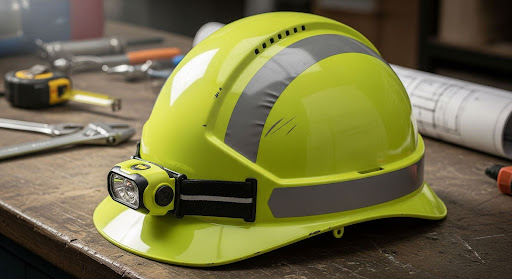
Common Oversight: Workers wear hard hats backward for comfort but compromise suspension system effectiveness. A visual comparison of proper vs. improper wear makes the point instantly.
Pro Insight: PPE should never be the only control. Emphasize that it’s the last line of defense—engineering and administrative controls come first.
7. Confined Space Hazards
Confined spaces look harmless until atmosphere testing reveals low oxygen or toxic gas.
Key Sub-Topics: - Definition of a confined space (limited entry/exit, not designed for occupancy) - Atmospheric testing protocol (test before entry, monitor continuously) - Rescue planning (non-entry vs. retrieval systems) - Permit-required vs. non-permit spaces - Communication methods inside confined spaces
Critical Reminder: Never allow untrained personnel to enter—even for a quick fix. A 2-minute “I’ll just grab it” task caused 60% of confined space fatalities in a NIOSH review.
Best Practice: Run a mock entry with testing equipment during the talk. Seeing the oxygen meter drop in a simulated space drives the risk home.
8. Ergonomics and Manual Handling
Back injuries from lifting are preventable—but only if techniques are reinforced.
Key Sub-Topics: - Proper lifting posture (bend knees, keep back straight) - Team lifting coordination - Use of mechanical aids (dollies, hoists) - Repetitive motion risks (e.g., overhead drilling) - Workstation setup for seated tasks
Real-World Fix: A warehouse team reduced back strain by introducing lift-assist platforms. A toolbox talk demonstrated the savings in effort—and made the new equipment feel like an upgrade, not a restriction.
Mistake to Address: Workers often lift with twisted torsos to save steps. Use a mannequin or volunteer to show the pressure increase on spinal discs.
9. Emergency Preparedness and Response
When seconds count, preparation saves lives.
Key Sub-Topics: - Fire extinguisher use (PASS method: Pull, Aim, Squeeze, Sweep) - Evacuation routes and muster points - First aid kit access and contents - Reporting emergencies (who to call, how) - Severe weather response (tornado, lightning)
Use Case: After a false fire alarm, several workers exited through blocked paths. A follow-up talk included a site walkthrough to verify route knowledge.
Pro Tip: Conduct quarterly “surprise” drills and use the next toolbox talk to debrief what worked and what didn’t.
10. Mental Health and Situational Awareness
The newest frontier in safety talks—because distracted or stressed workers make poor decisions.
Key Sub-Topics: - Recognizing signs of fatigue or impairment - The impact of stress on reaction time - Peer-to-peer intervention (“See something, say something”) - Mindfulness before high-risk tasks - Substance use policies
Why It’s Overlooked: Supervisors often avoid mental health topics due to discomfort. But framing it as “situational awareness” or “focus on the job” makes it operational, not personal.
Example: A crew member admitted he’d been distracted due to family issues. The team agreed on a hand signal to check in—preventing a potential incident during crane operations.
How to Use
This List Effectively
A list is only valuable if used strategically. Here’s how top-performing teams integrate these topics:
- Rotate monthly: Cover 4 topics per month, one per week
- Link to incidents: If a near-miss occurs, schedule the related topic within 48 hours
- Involve the crew: Let workers suggest or lead talks—engagement skyrockets
- Document consistently: Use a sign-in sheet with topic, date, attendees, and supervisor name
- Mix formats: Alternate between demonstrations, Q&A, and visual aids
Avoid overloading. Stick to 10–15 minutes. Focus on one clear takeaway: “Today, everyone checks their harness anchor point before climbing.”
Final Thought: Make It Real, Make It Stick
Toolbox talks fail when they’re robotic or disconnected from daily work. The best ones arise from real conversations—around a forklift, near a scaffold, or after a close call.
Use this list not as a script, but as a framework. Tailor each topic to your site’s risks, your crew’s experience, and the work happening right now. When workers walk away with one actionable insight—like how to test a gas monitor or why glove material matters—you’ve moved the needle on safety.
Start tomorrow: pick one topic from this list, gather your team, and talk about something that actually matters.
Common Toolbox Talk Topics FAQ
What is the most common toolbox talk topic? Fall protection consistently ranks as the most frequent topic due to high incident rates in construction and industrial work.
How long should a toolbox talk last? Aim for 10 to 15 minutes. Focus on one clear safety point to maintain attention and retention.
Who should lead a toolbox talk? Supervisors typically lead, but experienced crew members can—and should—facilitate to promote ownership and engagement.
Do toolbox talks need to be documented? Yes. Documentation proves compliance during audits and helps track recurring safety themes over time.
Can toolbox talks reduce accident rates? Yes. Studies show sites with consistent, relevant safety talks see up to 40% fewer incidents, especially when talks follow near-misses or equipment changes.
Should toolbox talks be the same every week? No. Rotate topics based on current projects, seasonal risks, and incident trends to keep them relevant.
How often should toolbox talks occur? Weekly is ideal. Daily talks work on high-risk sites. Monthly is the bare minimum for low-risk environments.
FAQ
What should you look for in Essential Toolbox Talk Topics for Safer Workplaces? Focus on relevance, practical value, and how well the solution matches real user intent.
Is Essential Toolbox Talk Topics for Safer Workplaces suitable for beginners? That depends on the workflow, but a clear step-by-step approach usually makes it easier to start.
How do you compare options around Essential Toolbox Talk Topics for Safer Workplaces? Compare features, trust signals, limitations, pricing, and ease of implementation.
What mistakes should you avoid? Avoid generic choices, weak validation, and decisions based only on marketing claims.
What is the next best step? Shortlist the most relevant options, validate them quickly, and refine from real-world results.